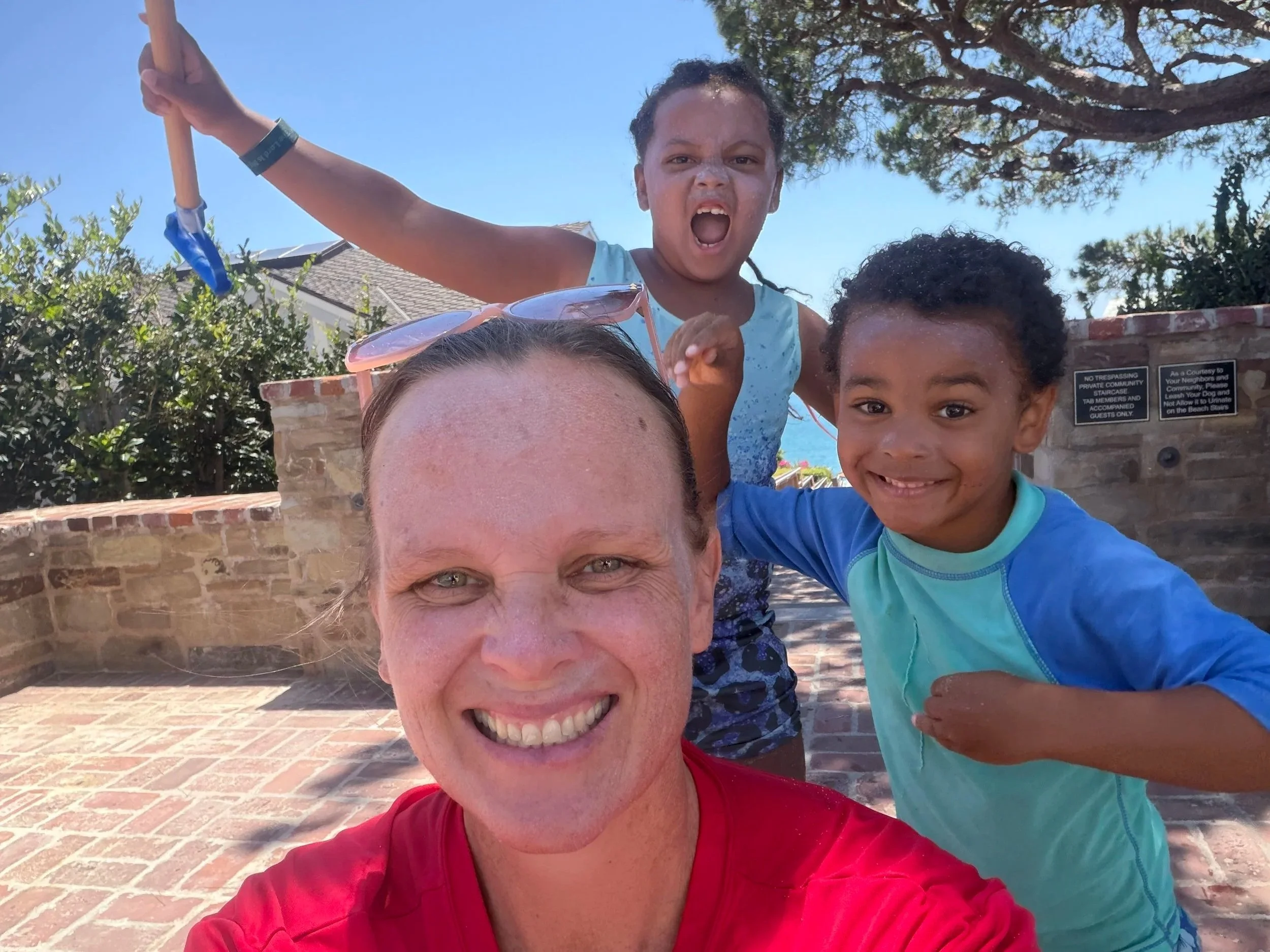
Hi! If you’ve found this blog, you’ve most likely seen my son, “Professor Bueze,” pop up somewhere on social media. You may be wondering how he learned to read as a toddler, where he gets all that information, or which books, learning activities, and educational resources we use at home.
I’ll be sharing those stories and resources here. But first, I want to introduce myself and the belief that guides how I teach and parent: children are capable of far more than we often give them credit for.
My Unlikely Path to Becoming an Educator
Ironically, I spent much of my early life trying to avoid becoming an educator.
As a musician with three higher education degrees in performance, I was determined to pursue performing. After high school, the last thing I wanted was to teach in a public school. Despite the advice of mentors and fellow musicians, I had no interest in getting an education degree.
I never did teach in public school, and I’m still an active performer. But teaching kept finding its way into my life—in private lessons, college classrooms, and eventually my own home.
Being the stubborn perfectionist that I am, I wanted to do it well. I learned to identify where students were struggling, break skills into manageable steps, and find different ways to explain something until it clicked. Along the way, I built wonderful relationships with my students and discovered how satisfying it could be to help someone accomplish something they hadn’t thought possible.
Some teachers bring an energy into a room that makes everyone light up. As a musician, I recognize something in that—the teaching equivalent of hearing a truly extraordinary performance. My own strengths emerged in the puzzle of learning: observing closely, figuring out what a student needed, and helping them move forward.
What Teaching Taught Me About Children's Potential
But the most valuable lesson came from watching students exceed my expectations.
Time and again, I introduced a skill or task that I thought—or had been told—was too difficult for a particular student. And time and again, they surprised me. Sometimes they needed a different explanation, more time, or simply the opportunity to try. Sometimes they went well beyond what I had imagined.
Those experiences changed the question I brought to teaching. Instead of asking, “Is this too difficult for this child?” I began asking, “What might happen if I give them the opportunity?”
That outlook reminds me of a passage from C. S. Lewis’s The Weight of Glory:
“It is a serious thing to live in a society of possible gods and goddesses, to remember that the dullest most uninteresting person you can talk to may one day be a creature which, if you saw it now, you would be strongly tempted to worship...”
To me, those words are a reminder to look at people with humility and wonder. We see only a small part of who someone is and what they may become. That is especially true of children, whose ideas, questions, and abilities are so easily underestimated.
Early Reading and Learning at Home With Professor Bueze
That belief followed me into motherhood. And then my children gave me entirely new reasons to question what I thought young children could do.
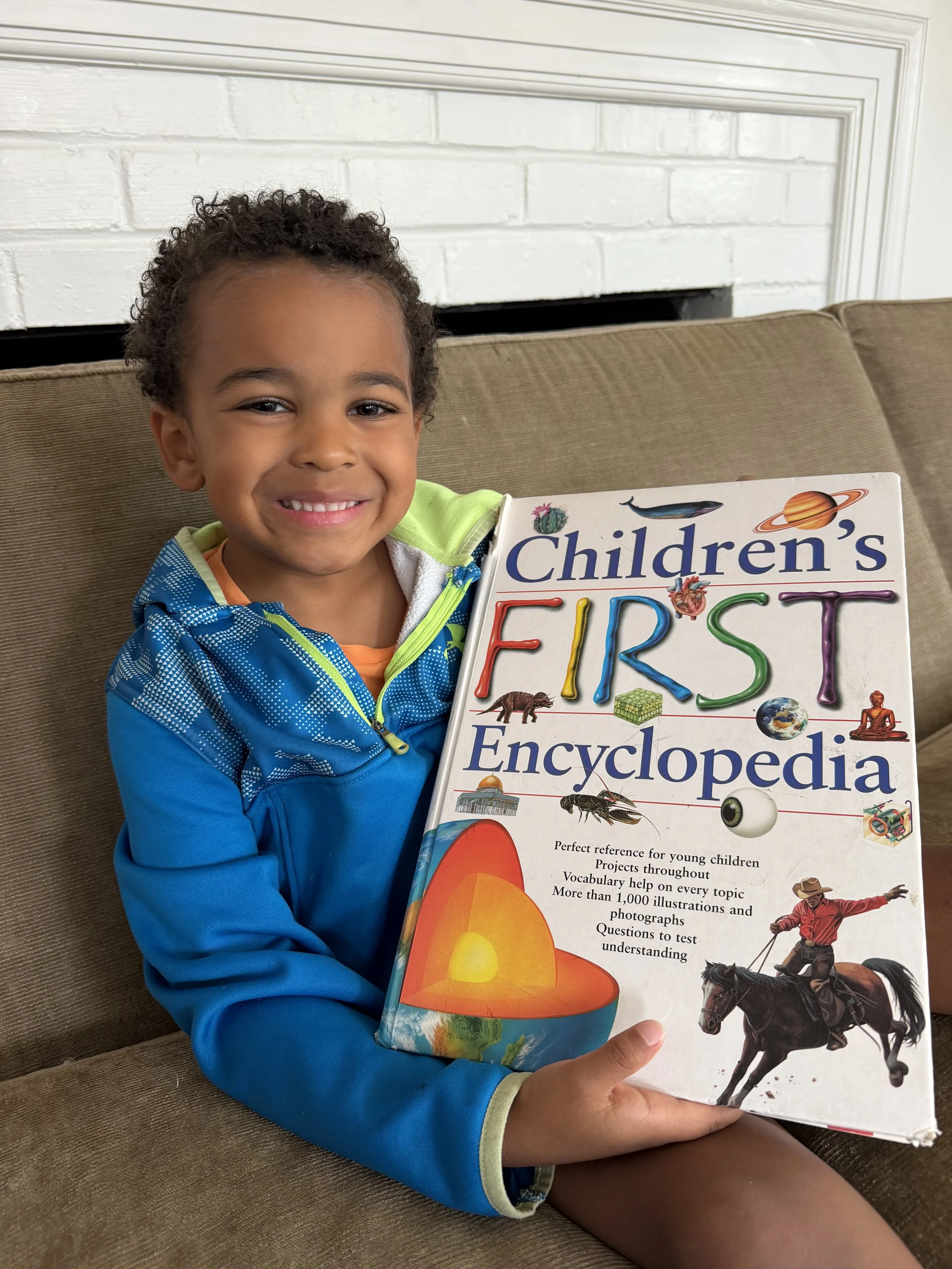
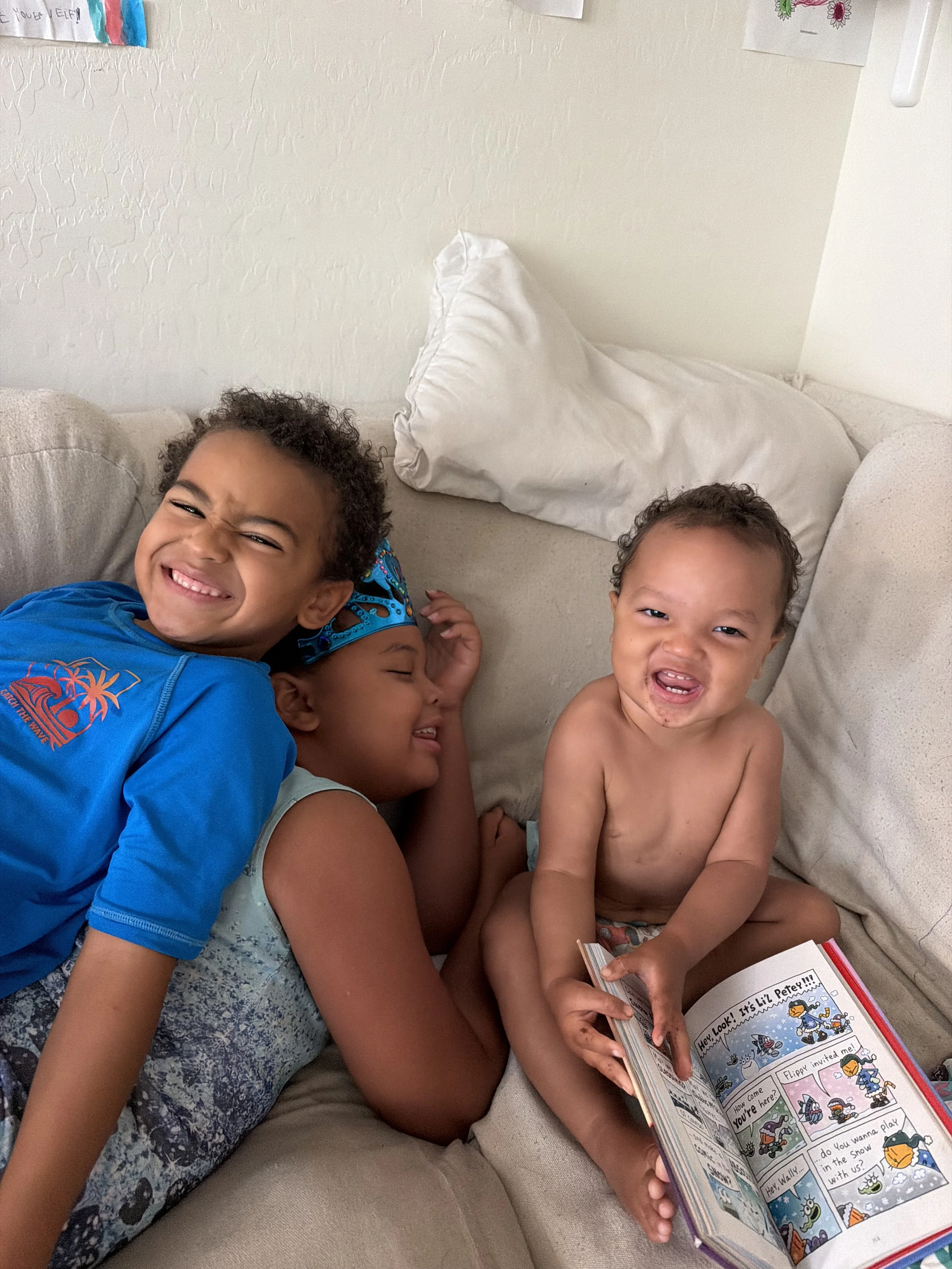
Bueze began reading at 21 months old, spelling words aloud to me and then telling me what they said. His older sister had recognized more than 50 words by sight at 18 months.
Watching their interests and abilities unfold has been fascinating, surprising, and sometimes overwhelming. Even with my teaching experience, I’m still learning how best to support them.
Encouraging Childhood Curiosity Without Pressure
Their experiences have strengthened my belief in offering children rich opportunities without deciding in advance where their limits must be. That doesn’t mean every child will read as a toddler, or that early achievement should be the goal. It means taking their curiosity seriously and giving them room to show us what they’re ready for.
Offer the book. Answer the question. Let them explore the idea that seems a little beyond their years. If it doesn’t connect, that’s okay. Move on and revisit it another time. A child can be capable of extraordinary things and still need time, play, rest, and the freedom to be a child.
Sharing Our Early Learning Journey and Educational Resources
On this blog, I’ll share more about Bueze’s reading journey, the books, apps, products, and curricula we’ve used, and what I’m learning as both a teacher and a mother. These are the experiences of our family, shared in the hope that they might give you ideas for supporting the children in yours.
More than anything, I hope this space encourages you to look at children with wonder.
Don’t sell a child short. Give them opportunities, pay attention to how they respond, and be willing to be surprised.
There is no failure in not being ready for something. But we can miss so much when we never offer the opportunity to try.
