
Early reading activities can begin with something as simple as a few letters and a little curiosity.
If you've followed Professor Bueze's reading journey, you know I believe children are often capable of learning much more than we expect. Introducing letters and words through play gives children opportunities to recognize patterns, make connections, and become familiar with written language without every interaction feeling like a formal lesson.
Some of my favorite ways to encourage early literacy involve simple, hands-on early reading activities.
Here are three tools I recommend for making early reading activities part of everyday learning.
Our Favorite Hands-On Reading Tools
1. Matching Letter Game
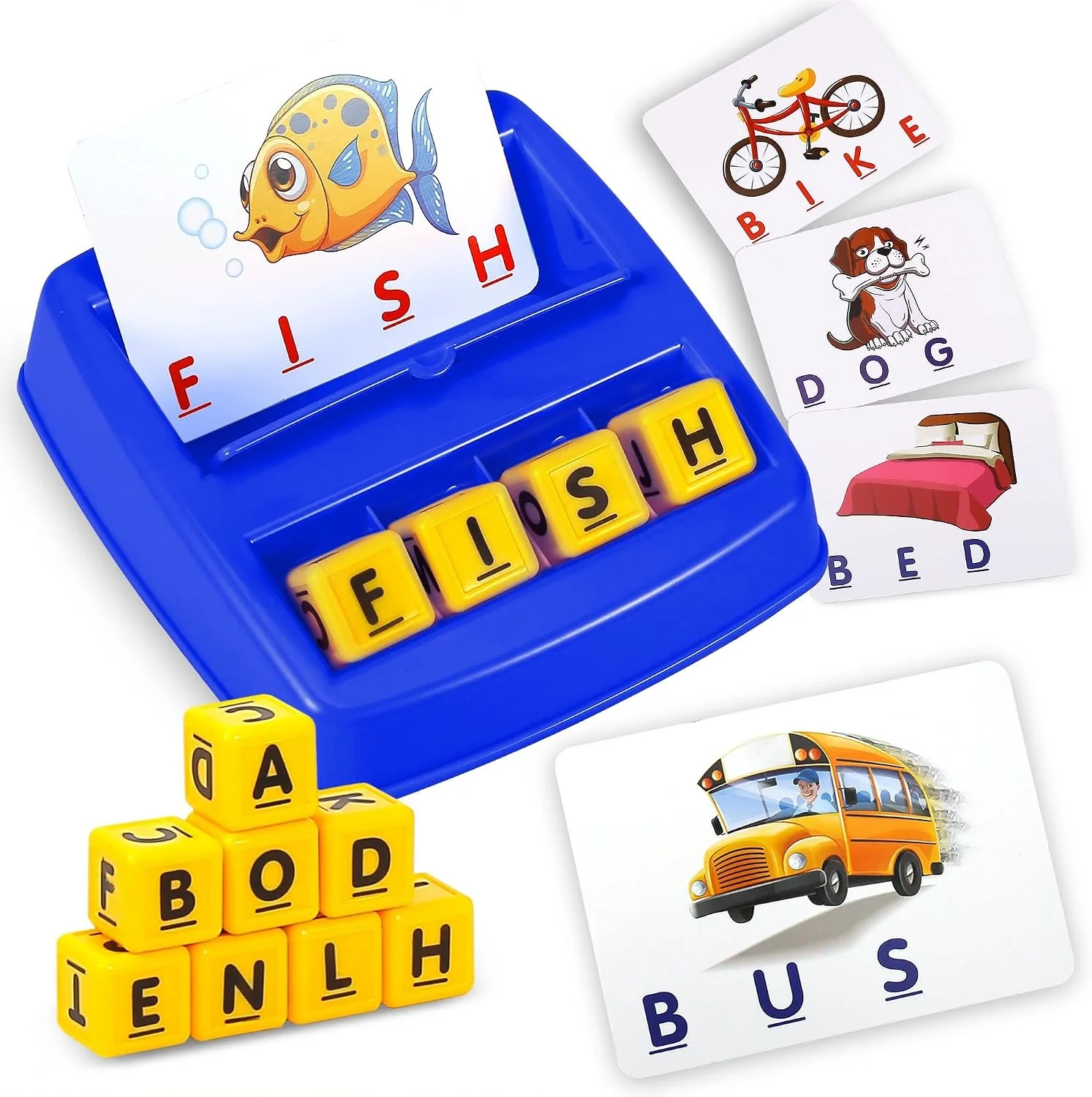
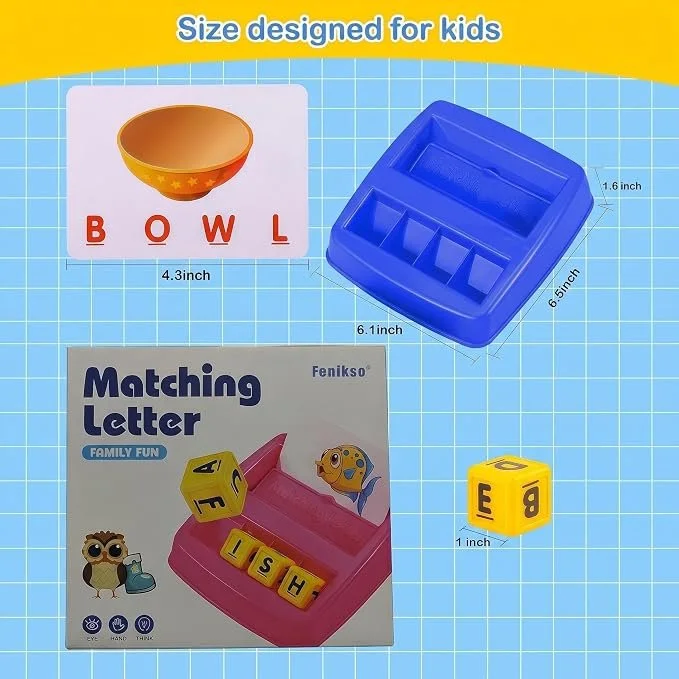
Matching games encourage children to recognize letters, identify similarities and differences, and develop familiarity with the alphabet. They're also a fun way to practice recognition and memory while playing together.
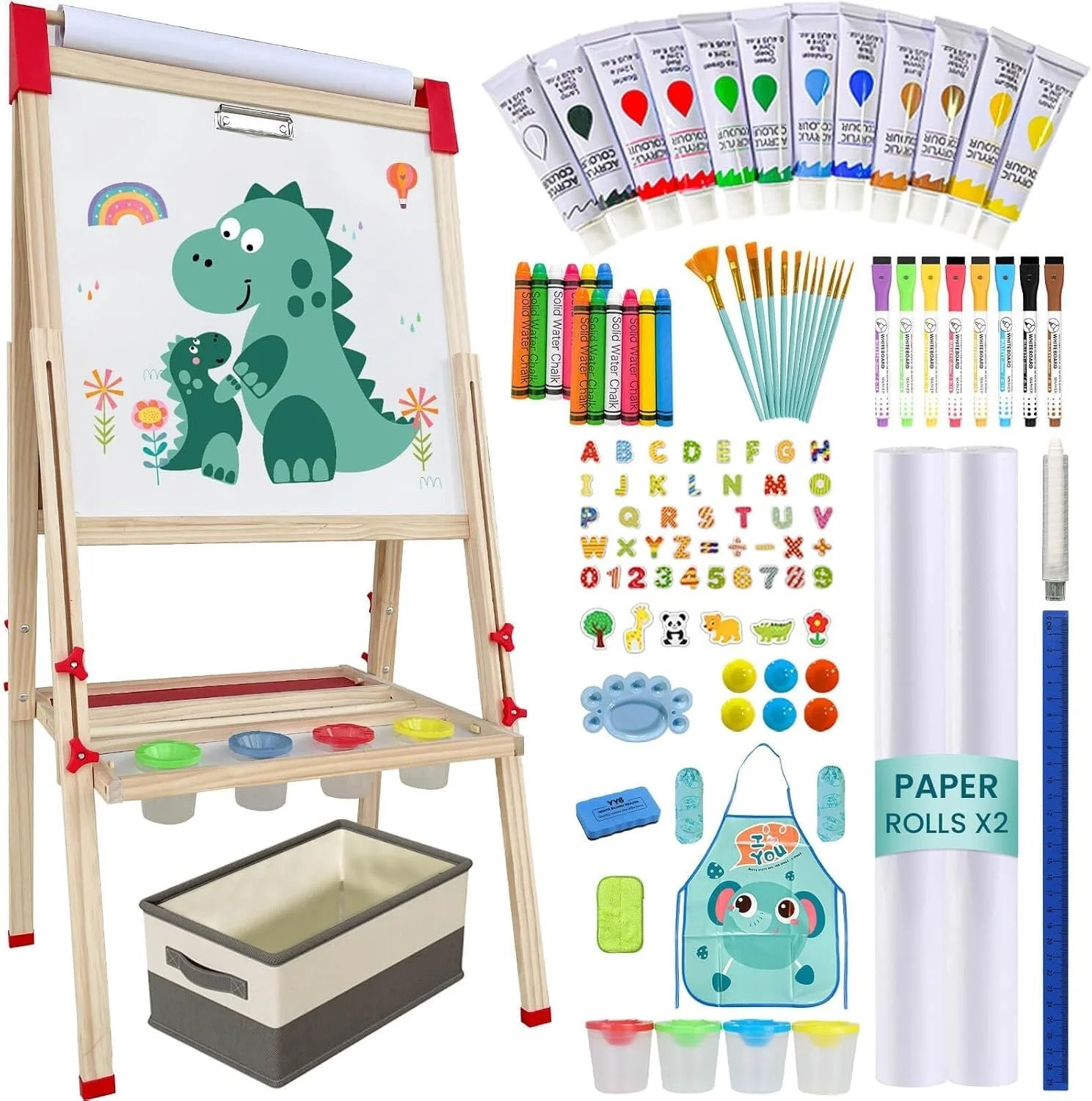
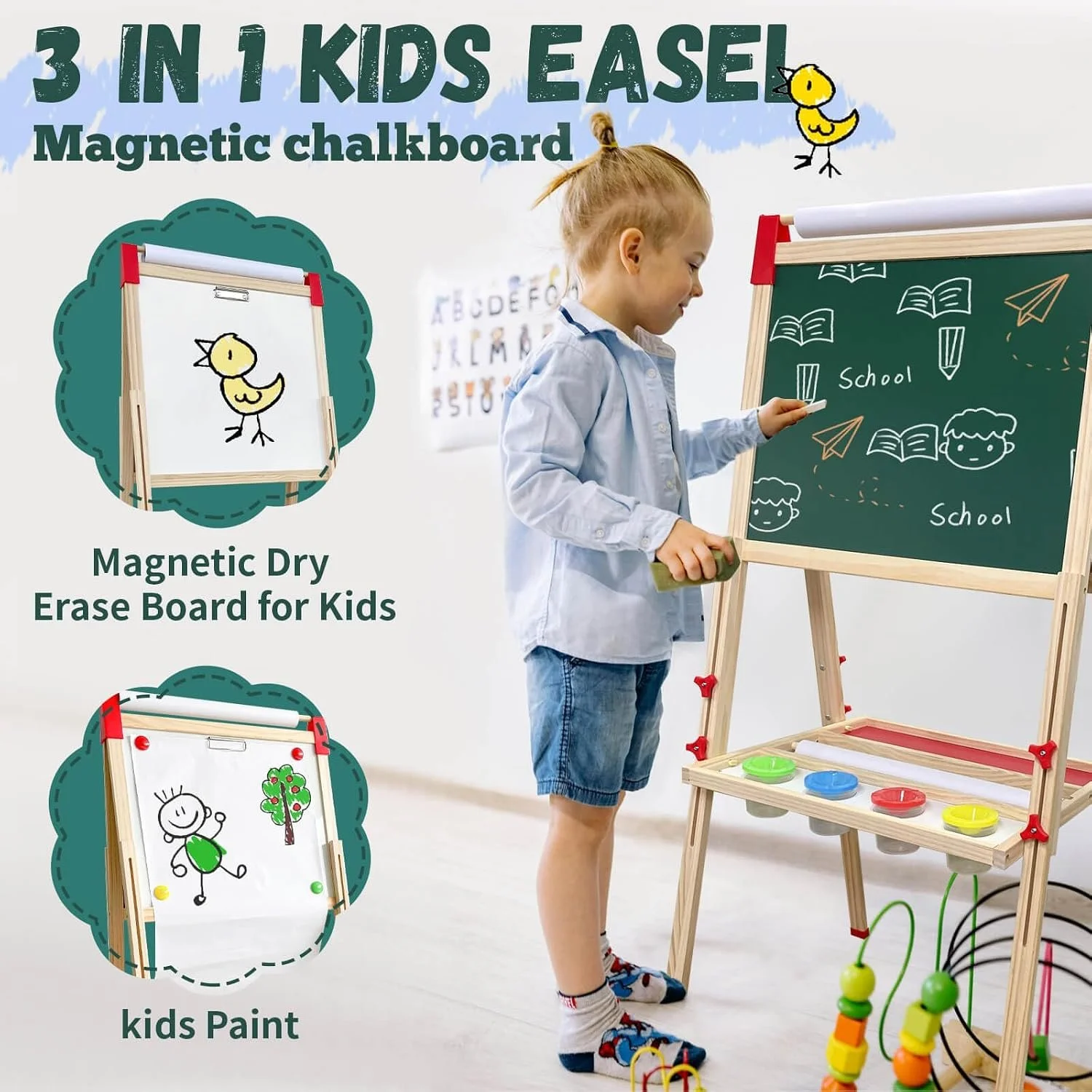
An easel provides space to practice writing letters, drawing pictures, and experimenting with words. I especially like tools that can be used for several different activities. Writing and drawing can become a natural part of play rather than something reserved for a particular lesson.
3. Magnetic Board and Foam Letters

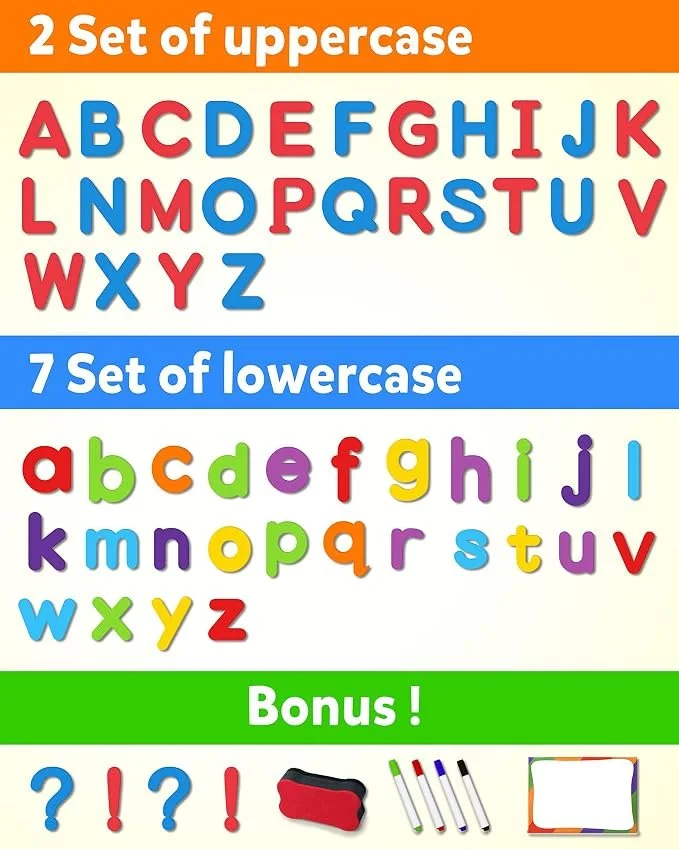
Movable letters are a great way to introduce letter recognition and word building. Children can arrange and rearrange letters, experiment with different combinations, and begin recognizing how letters work together to form words.
Learning Through Exploration
Every child approaches learning differently. Some may be interested in identifying letters, while others want to put them together to make words. I believe our responsibility is to provide opportunities, pay attention to their interests, and encourage them to keep exploring.
These tools offer simple ways to make reading and writing part of everyday life.
Shop Professor Bueze's Early Reading Tools on Amazon
As an Amazon Associate, I earn from qualifying purchases at no additional cost to you.
