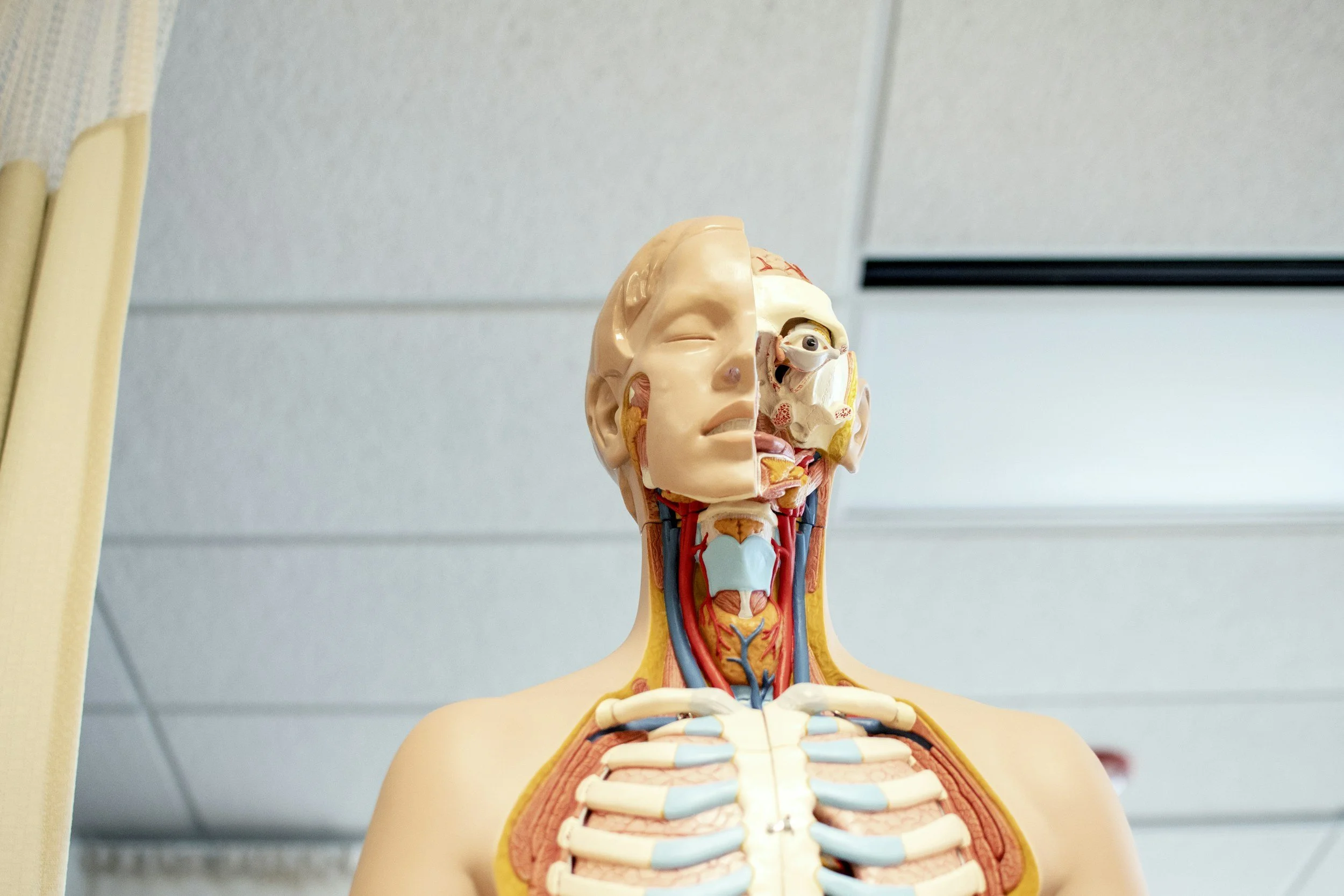
If you've watched Professor Bueze talk about anatomy, you know just how fascinating the human body can be to a young child!
One thing I've learned through teaching is that we shouldn't assume a subject is too advanced simply because of a child's age. Children are naturally curious, and when we give them the right resources and opportunities, they can surprise us with what they're capable of understanding.
Books have a wonderful way of introducing complex subjects through illustrations, explanations, and visual examples. I've put together eight anatomy and science books I recommend for children who are interested in discovering how their bodies work.
Our Favorite Anatomy Books
1. The Way We Work
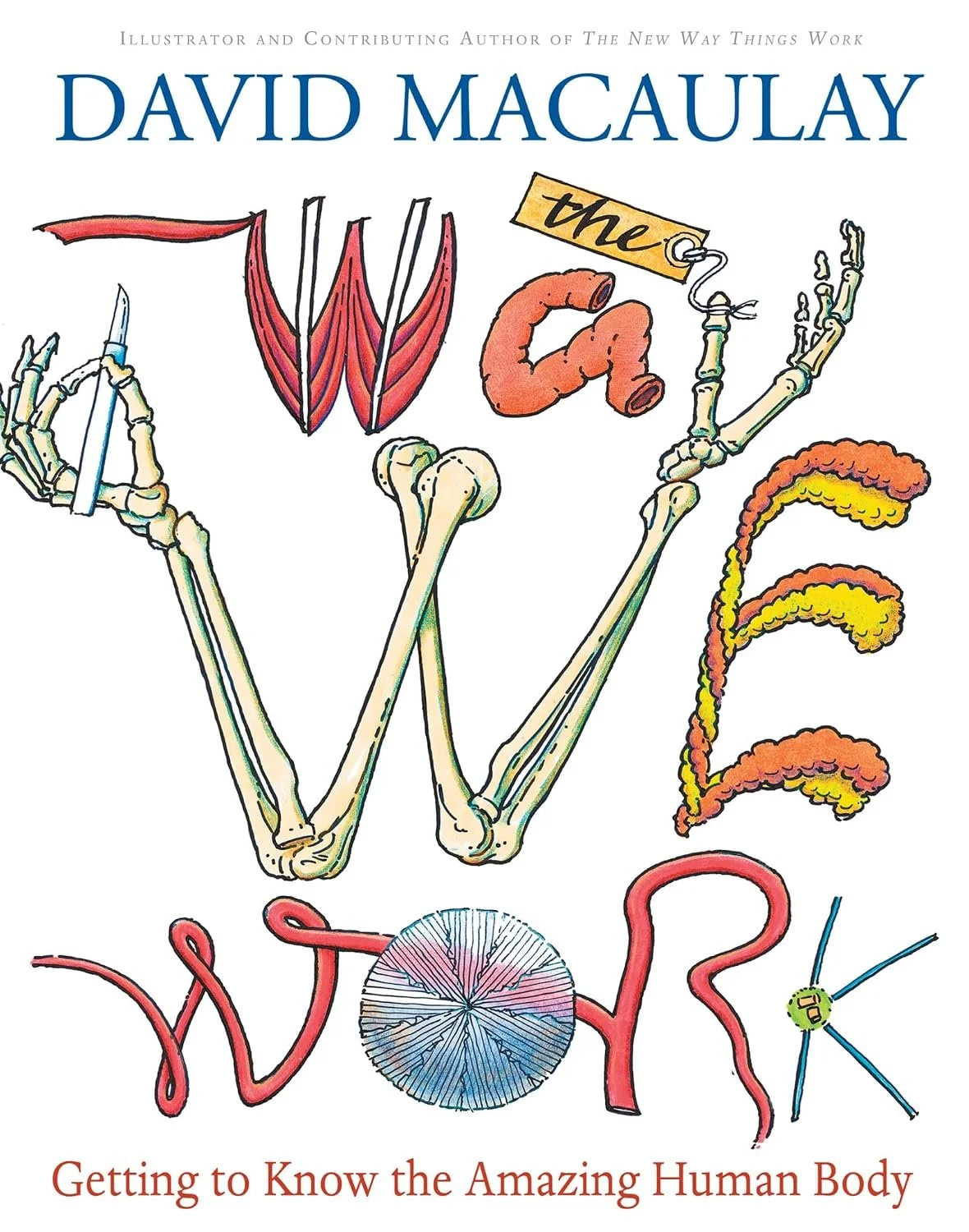
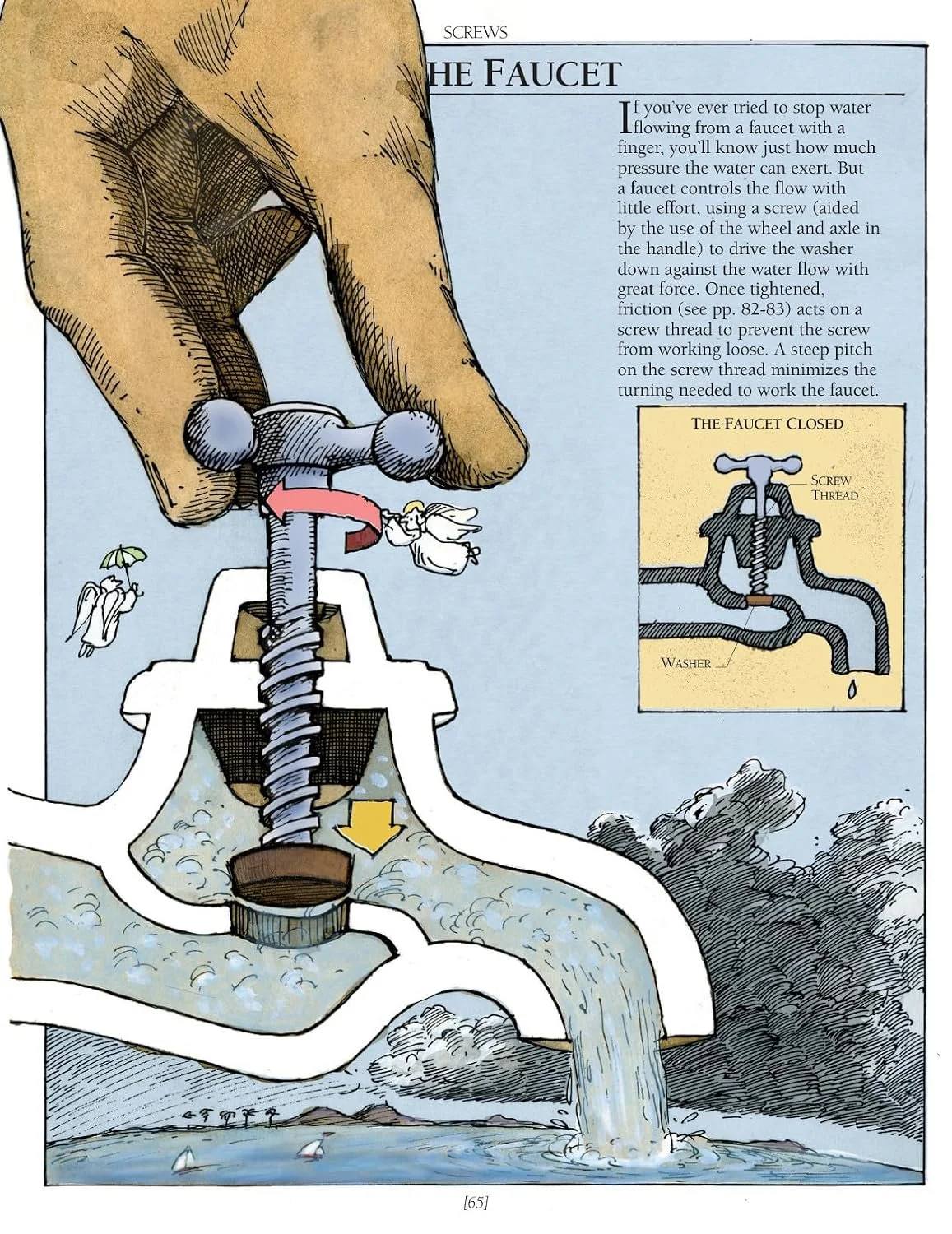
Written and illustrated by David Macaulay, this book takes a remarkably detailed look at the human body, from individual cells to entire organ systems. Its illustrations help explain complex biological processes, making it a wonderful reference for children who want to explore anatomy beyond the basics.
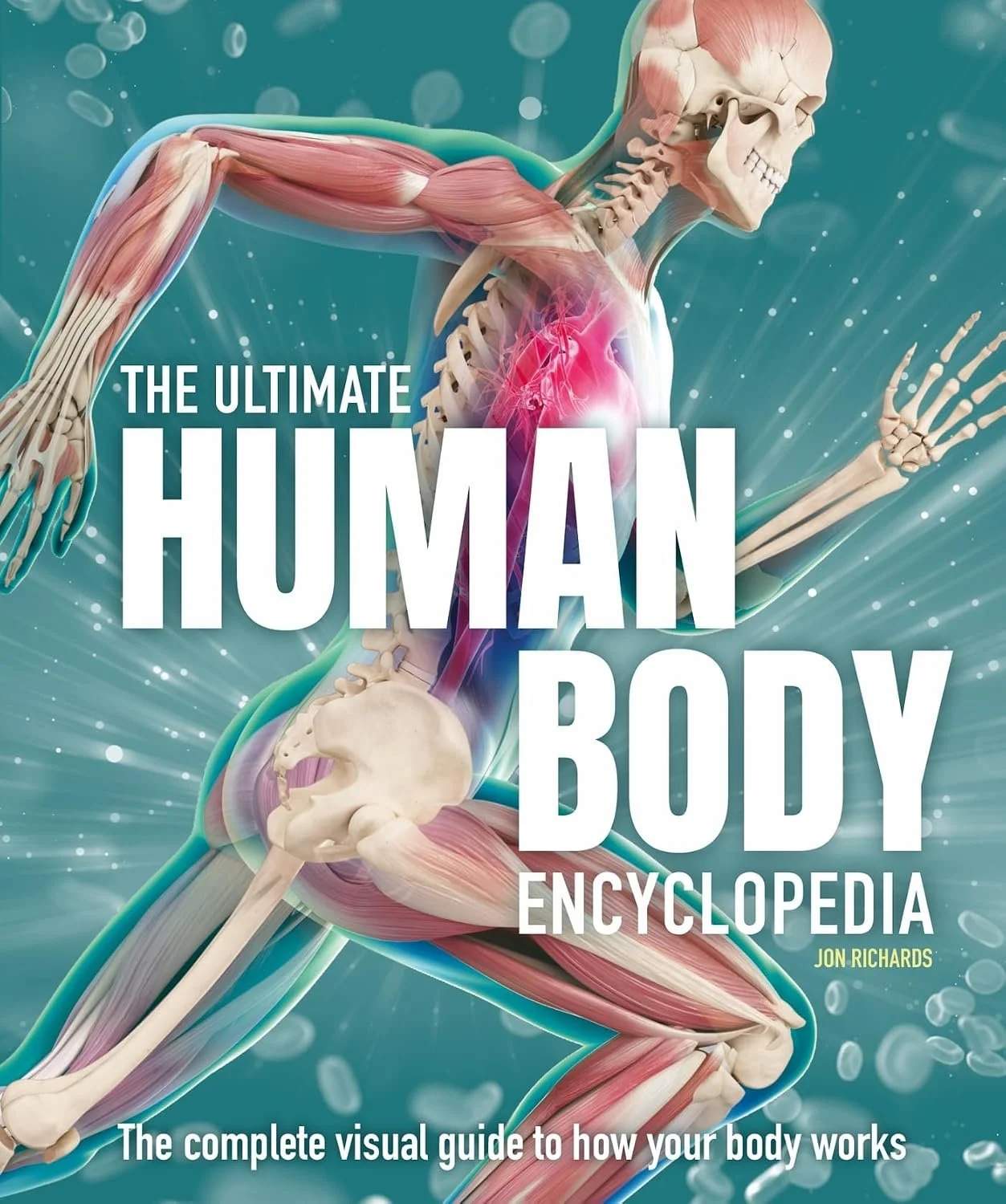
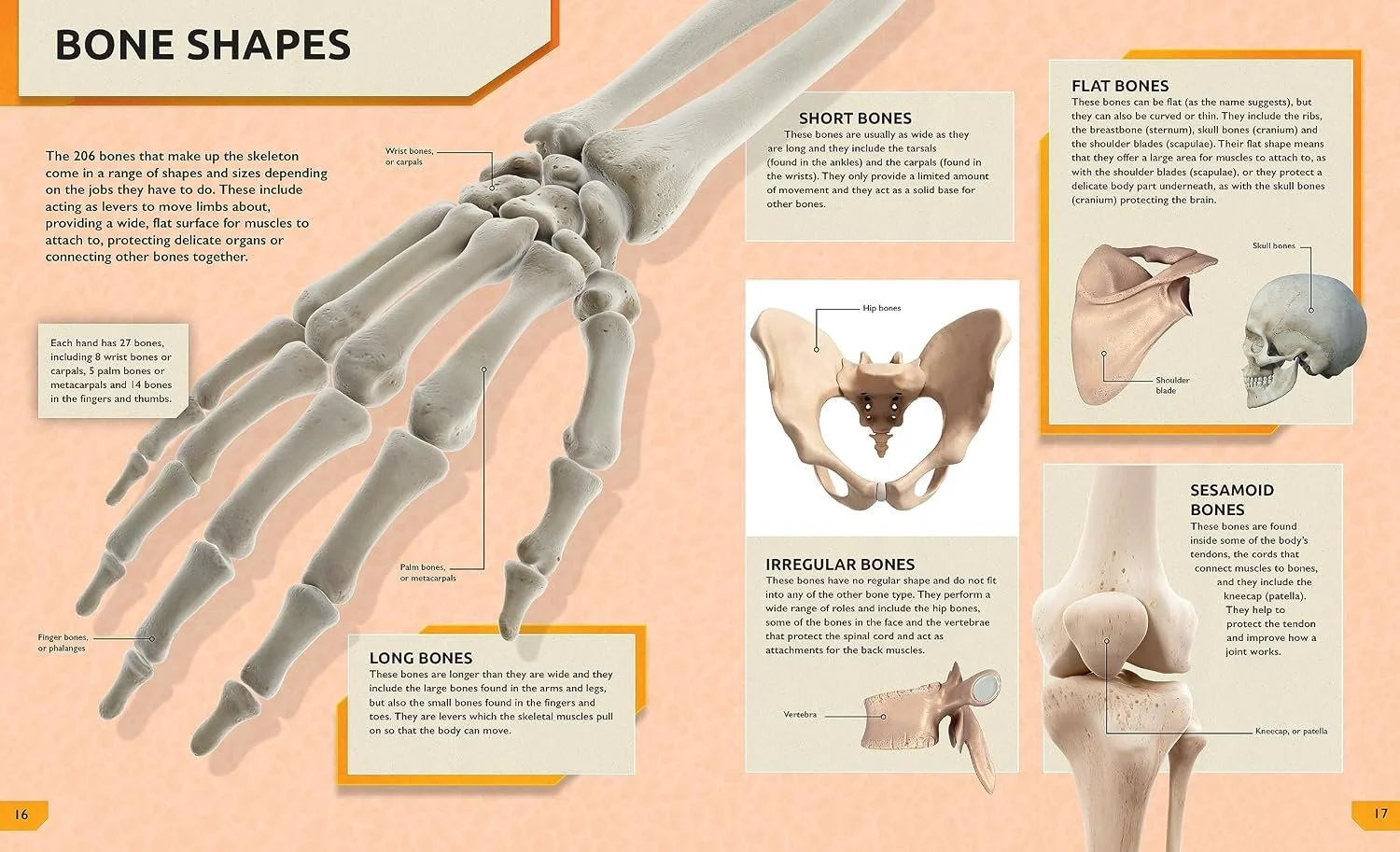
This encyclopedia by Jon Richards uses detailed illustrations, photographs, and scientific explanations to explore everything from our bones and muscles to the workings of the brain. A great resource for children who enjoy asking not only what something is, but how and why it works.
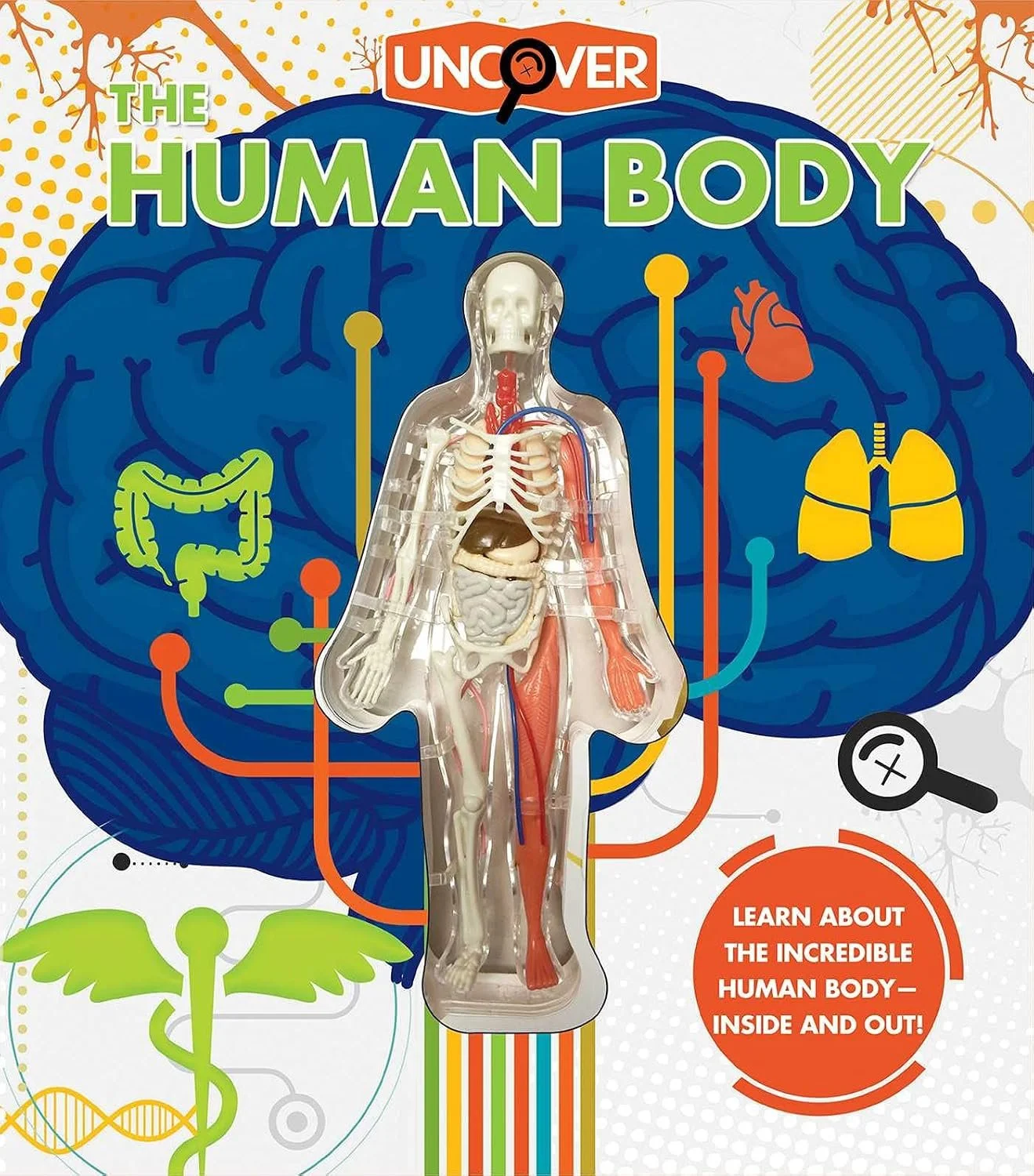
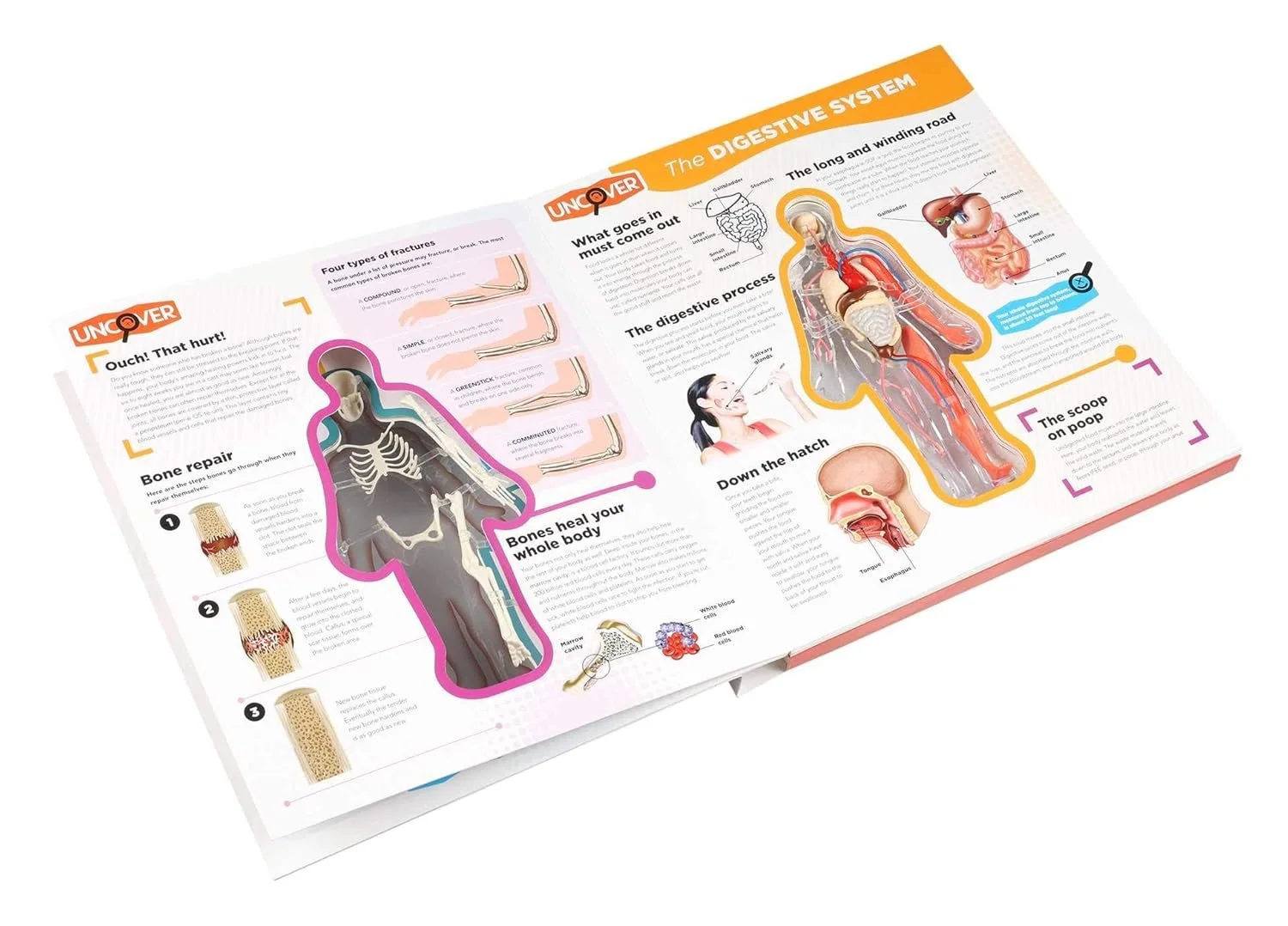
What makes this book particularly interesting is its layered, three-dimensional model of the human body. Children can explore the relationship between bones, muscles, and organs as they work through the pages. It's a wonderful way to help make anatomy more visual and tangible.
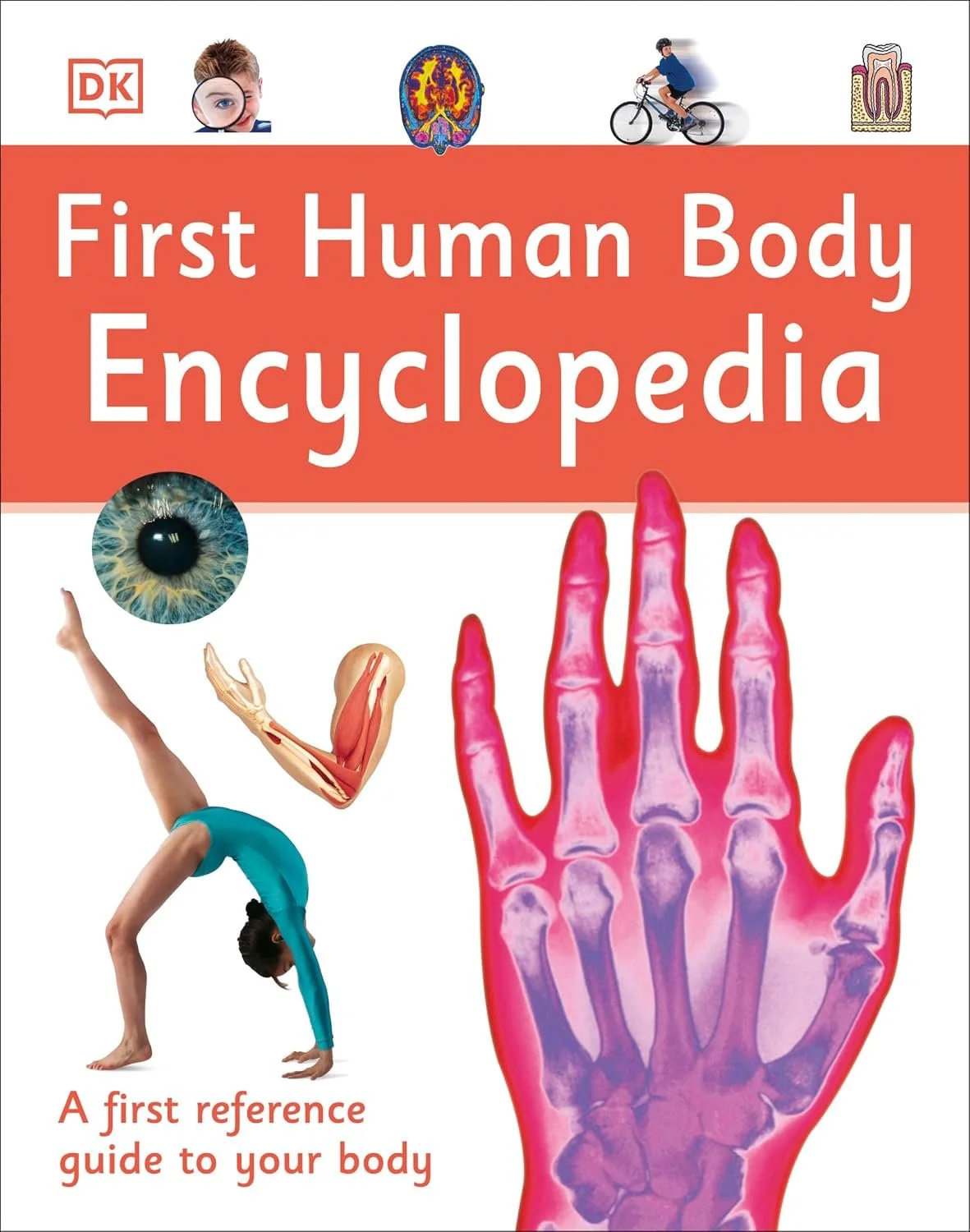
An excellent introduction to human anatomy, with colorful illustrations and explanations of the body's major systems. Children can explore everything from their senses to the way their heart, lungs, and muscles work. It's a useful reference to return to as new questions arise.
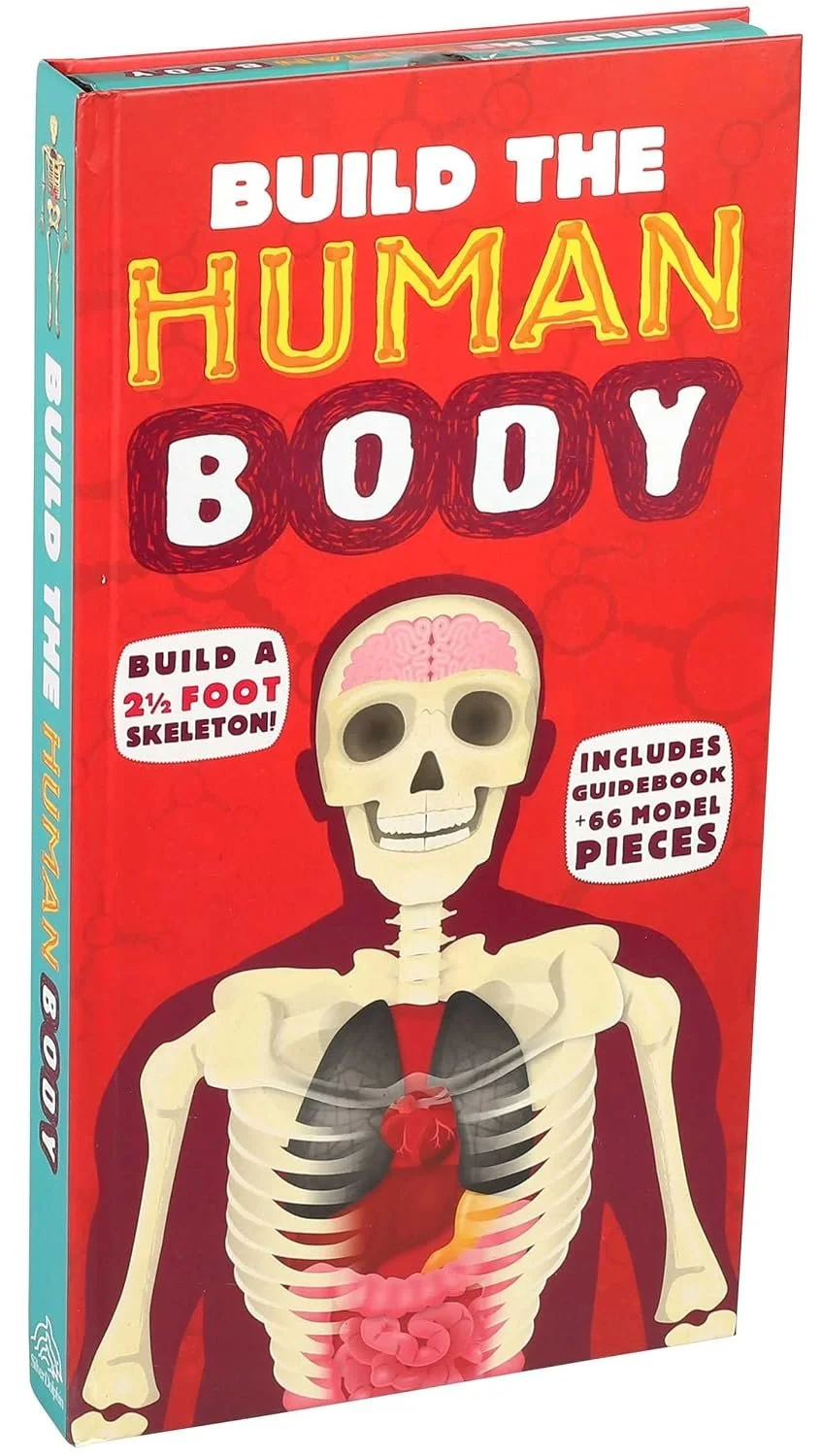
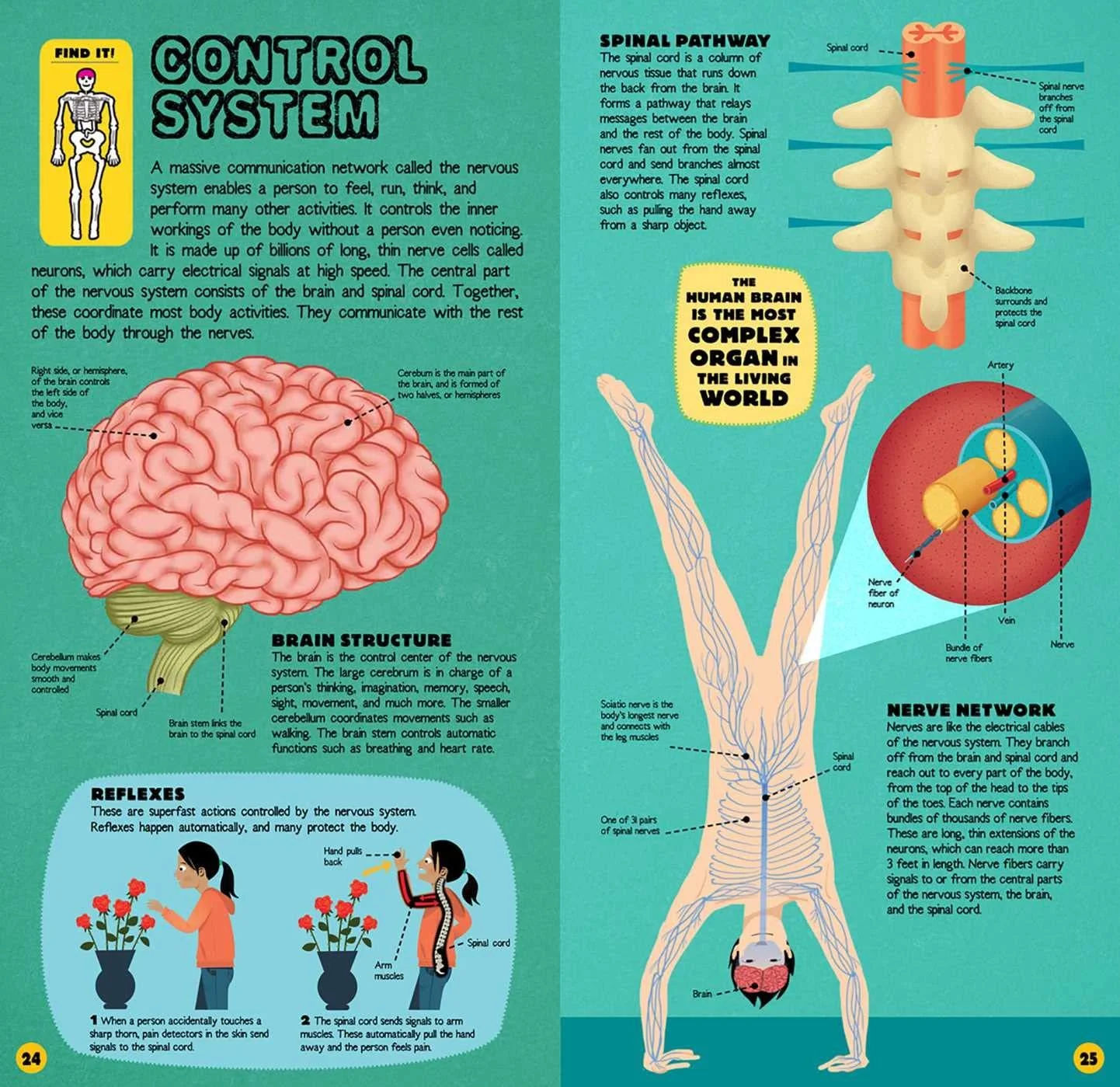
This book by Richard Walker combines reading with hands-on learning. Children can assemble a model skeleton while discovering how bones provide the framework for the human body. I love the idea of pairing scientific information with an activity that helps children visualize what they're learning.
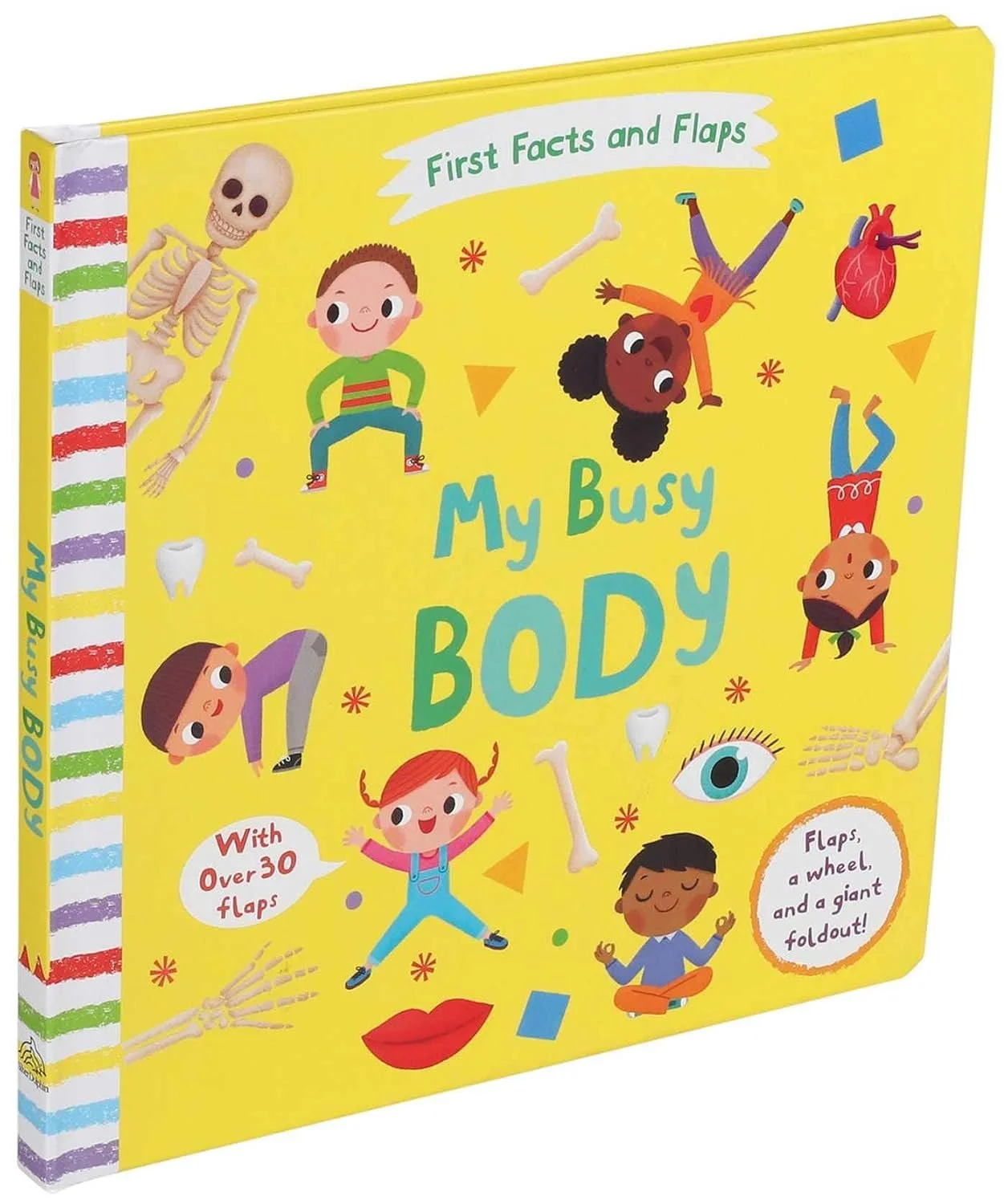
A wonderful starting point for children beginning to ask questions about their bodies. Its approachable explanations help introduce anatomy and familiar bodily functions without overwhelming readers with too much information at once.
This is a fantastic visual reference for exploring the human body in greater detail. With anatomical diagrams, photographs, and illustrations, children can investigate individual organs, body systems, cells, and the processes that keep us alive.
Although this book reaches far beyond anatomy, that's part of what makes it valuable. Children who are fascinated by the human body are often curious about countless other subjects. This encyclopedia provides an opportunity to follow those interests into science, nature, geography, and more.
Follow Their Curiosity
I've always believed that learning should be guided by curiosity rather than limited by our expectations. A child might be fascinated by an illustration long before they can read the accompanying explanation. As their understanding develops, they can return to that same book and discover something entirely new.
The important thing is to pay attention to what interests your child and give them opportunities to learn more.
Shop Professor Bueze's Complete Anatomy Book Collection on Amazon
As an Amazon Associate, I earn from qualifying purchases at no additional cost to you.
