Beginning reader books open up a wonderful new world for children as they begin recognizing words and discovering that they can read stories for themselves.
I've always believed we shouldn't limit children's learning opportunities based on what we assume they're ready to understand. Reading develops through exposure, practice, and opportunities to explore language. Short stories, repetition, and engaging illustrations can help make those early experiences enjoyable.
I've put together a collection of our favorite beginning reader books that introduce different reading levels, storytelling styles, and opportunities to practice.
These beginning reader books include everything from simple illustrated stories to entertaining comics.
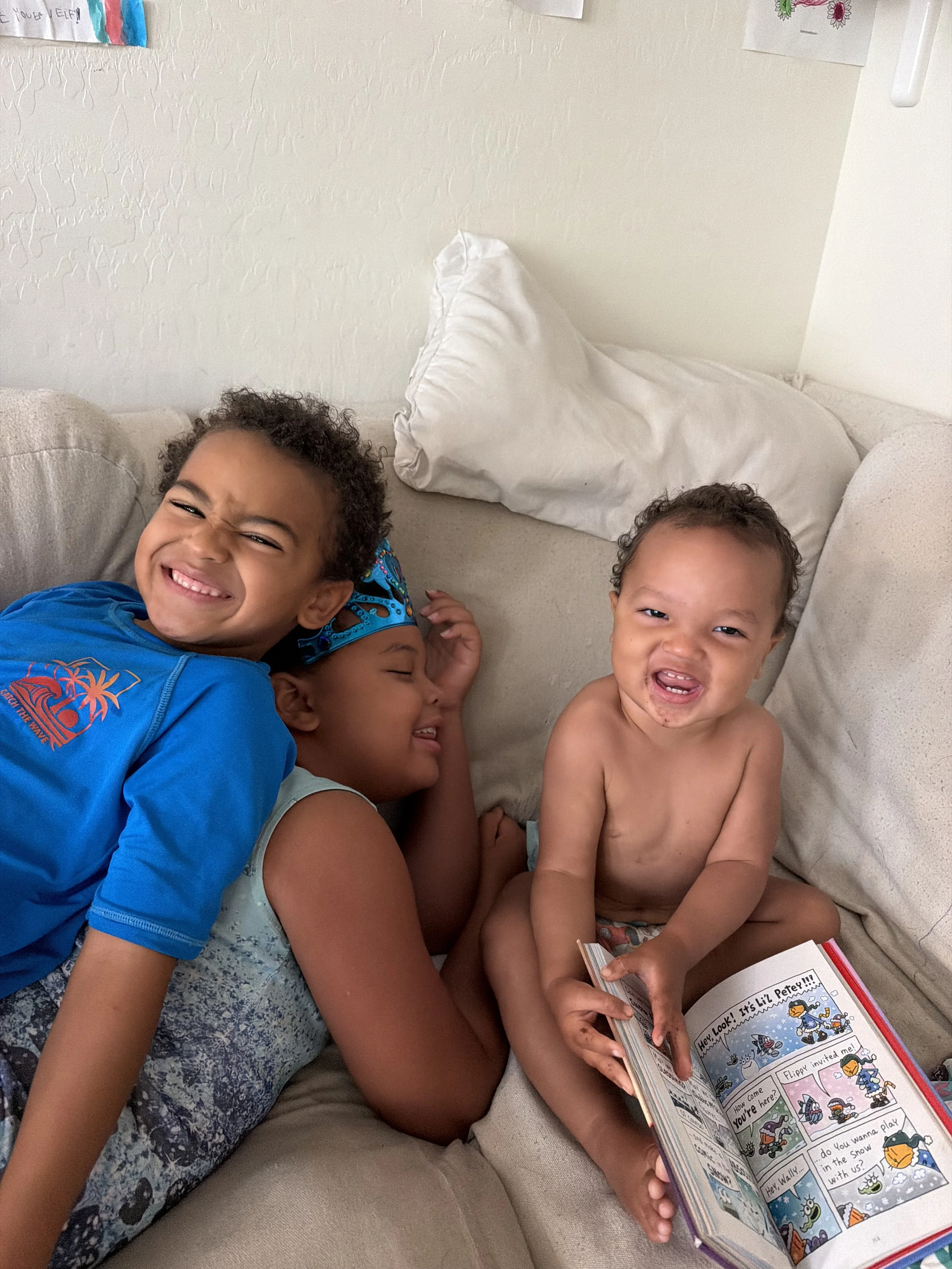
First Little Readers Series
Scholastic's First Little Readers series introduces children to reading through short stories, repetition, familiar vocabulary, and illustrations that support comprehension. The different reading levels offer a way to introduce increasingly complex text as children develop their skills.
1. First Little Readers: Level B
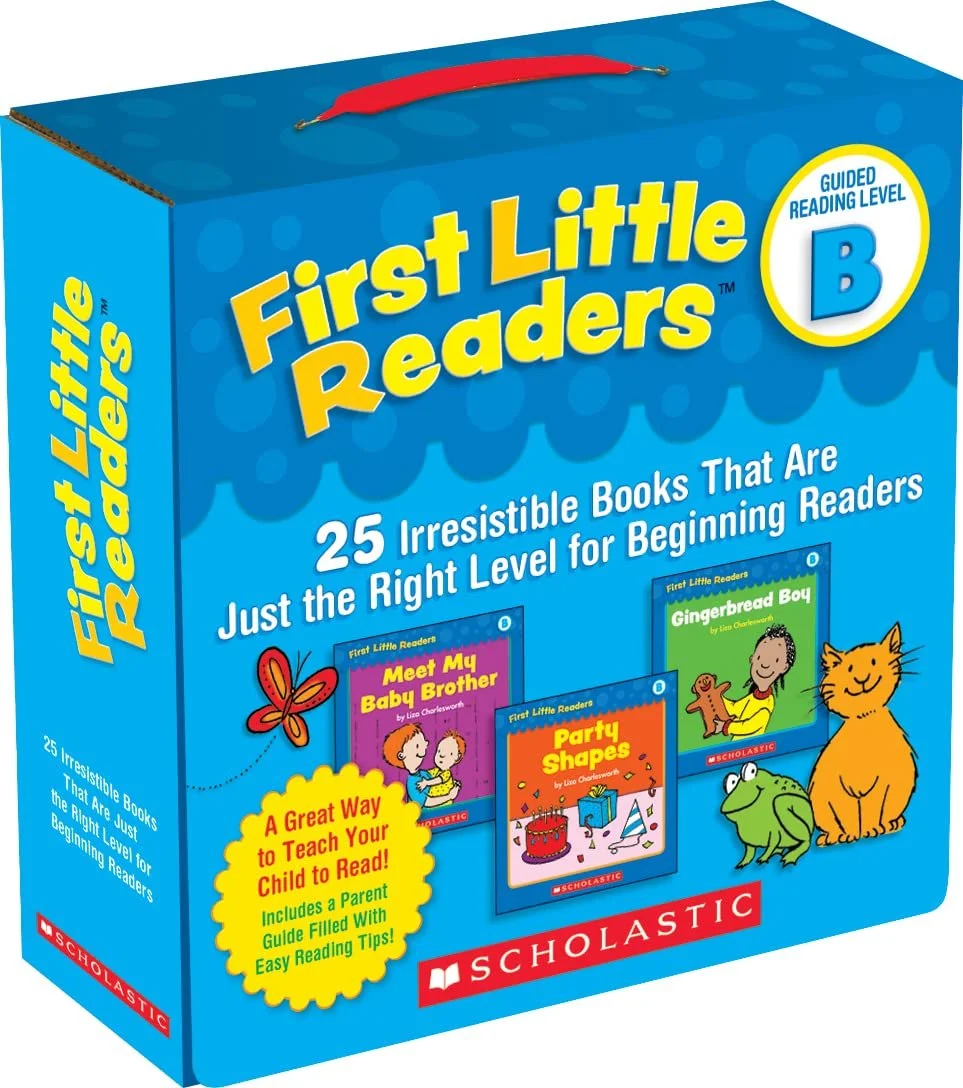
These short, illustrated books feature simple sentences and repetitive language. They're a helpful resource for children beginning to recognize familiar words and connect written language with meaning.
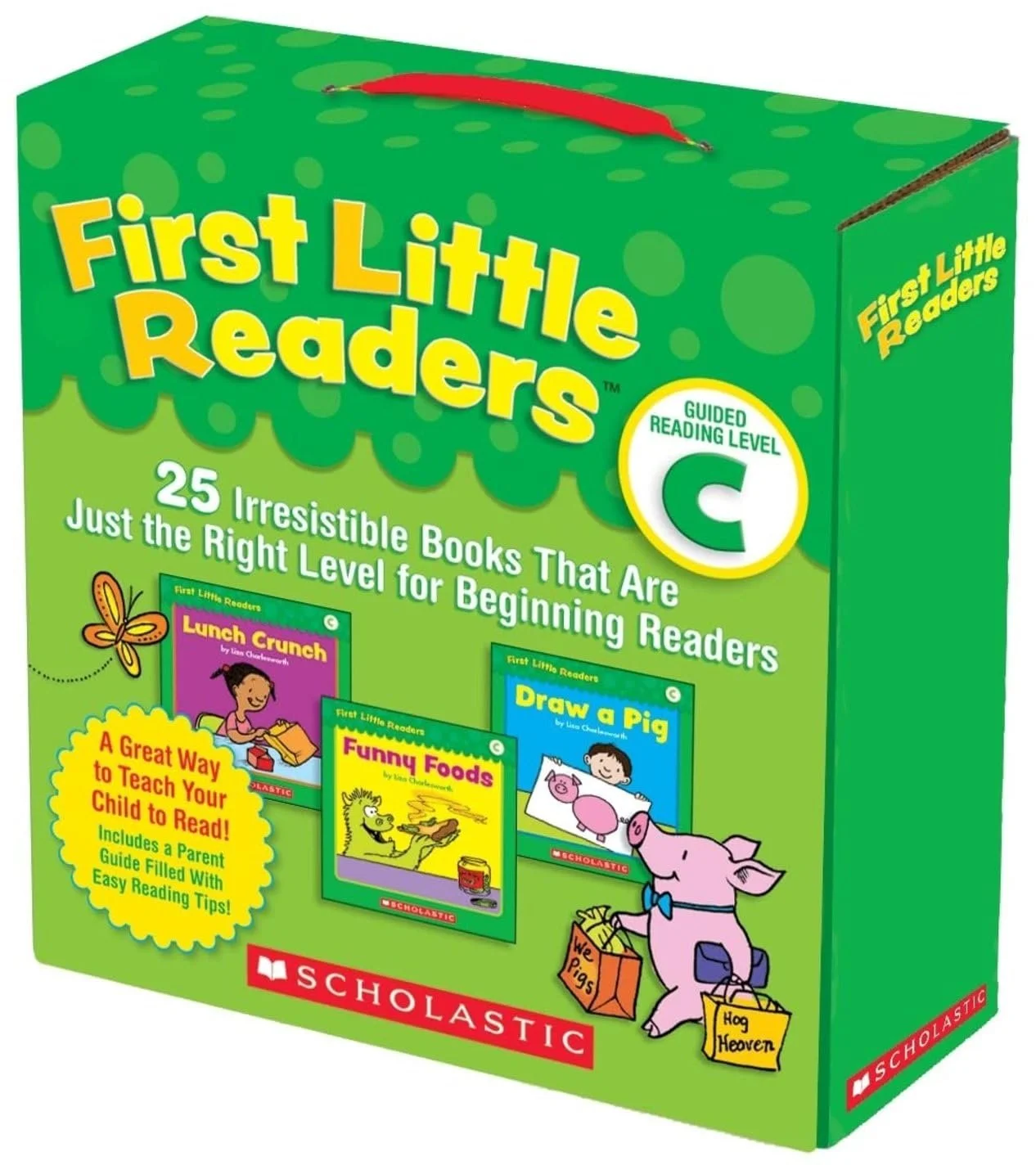
Level C introduces slightly more complex text while continuing to use repetition and illustrations to support reading. These books provide additional opportunities to practice recognizing words and following a story.
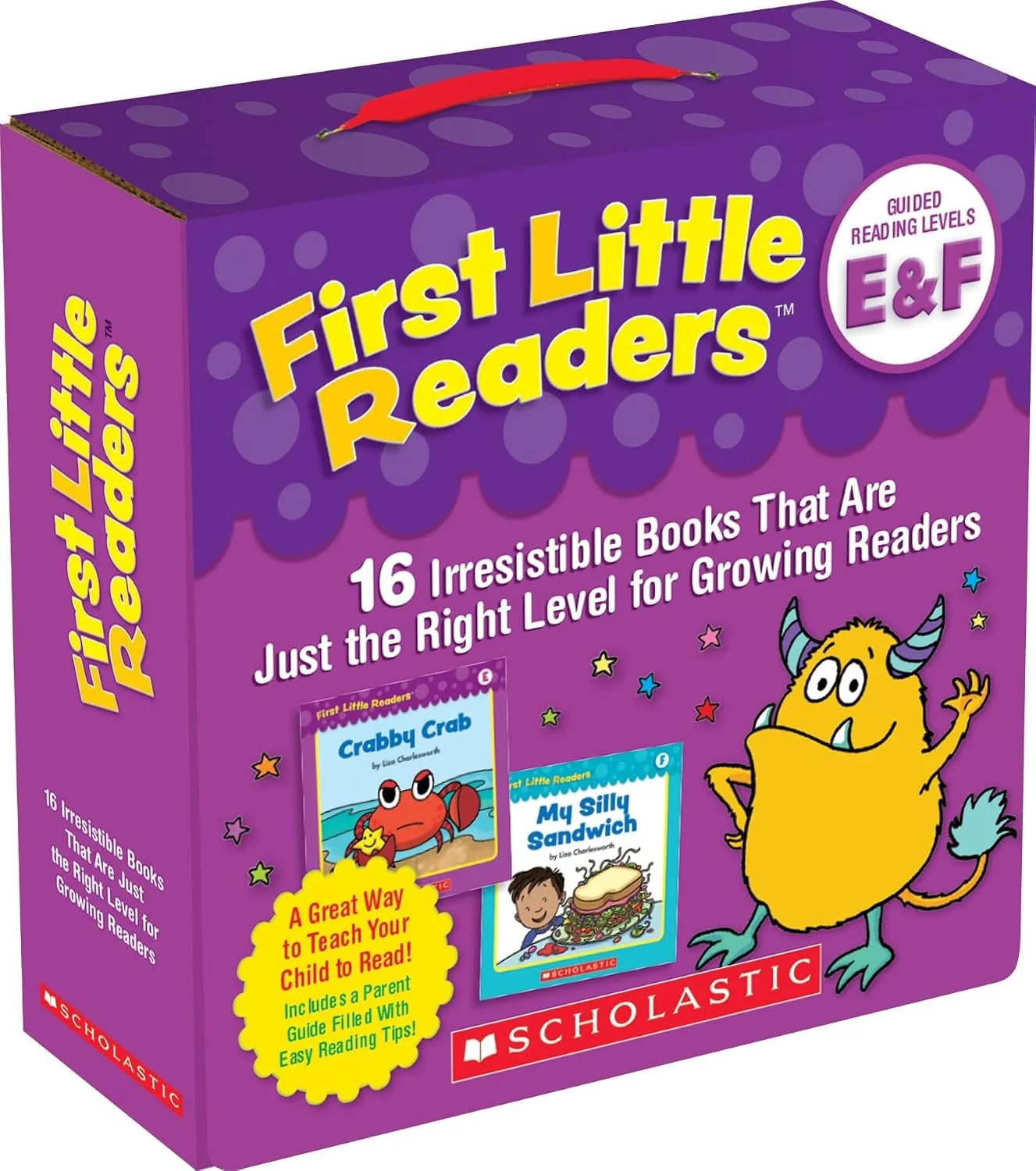
As children's reading skills develop, these stories introduce more varied sentences and vocabulary. They're a useful next step for practicing reading fluency and understanding what is happening in a story.
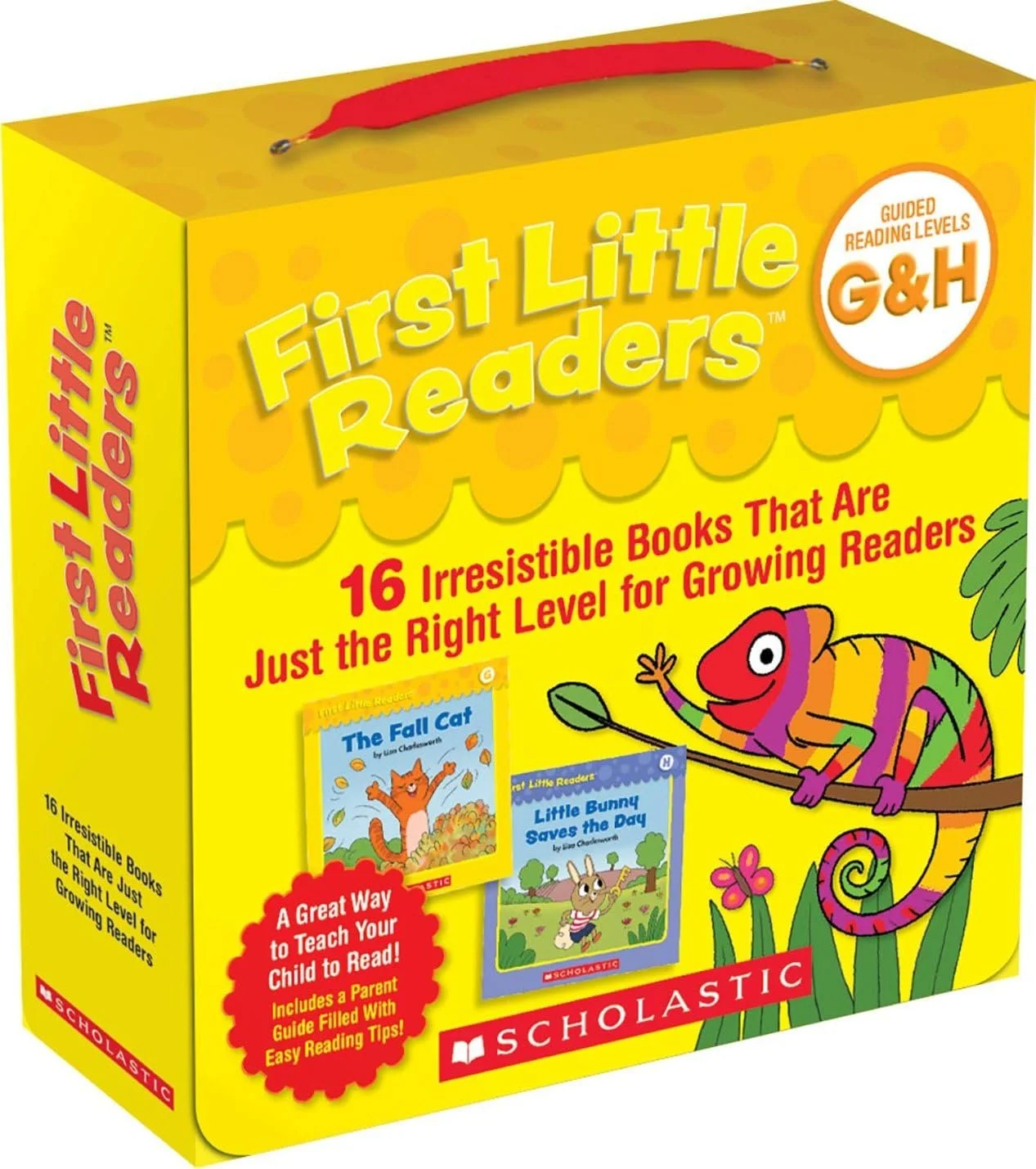
These books offer more involved stories and increasingly complex text. They provide opportunities for children to strengthen comprehension and become more confident reading independently.
First Little Comics Series
Not every child is drawn to traditional storybooks. Comics offer another engaging way to explore reading through illustrations, dialogue, and entertaining characters.
Scholastic's First Little Comics series uses speech bubbles and humorous stories to encourage reading practice.
5. First Little Comics: Levels C & D
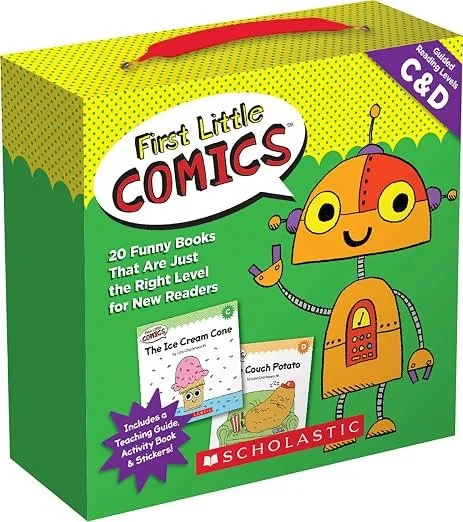
These short comics combine simple text with entertaining illustrations and characters. The dialogue format gives children another way to connect words with the events unfolding in a story.
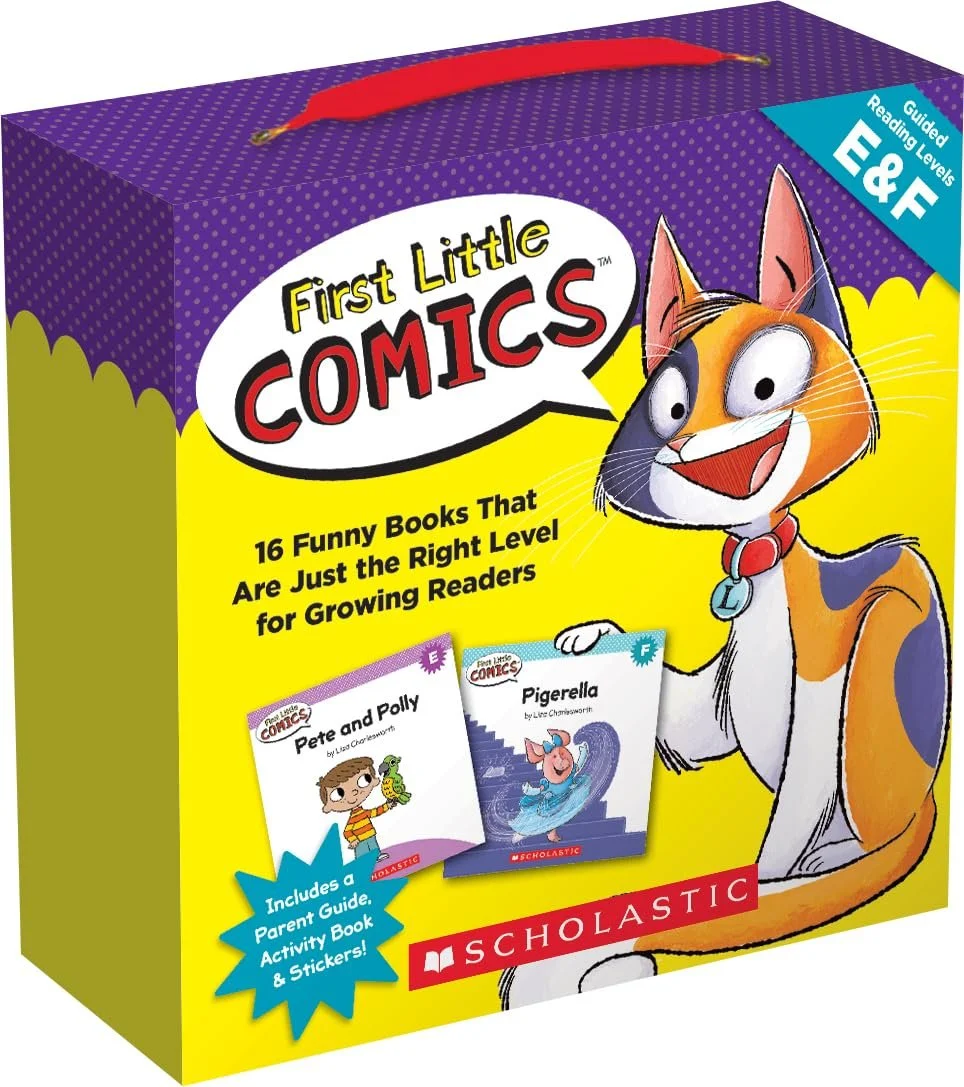
These comics introduce more complex reading while maintaining the humor and visual storytelling that make the series engaging. They're a fun alternative to traditional beginning reader books.
Buddy Readers
7. Buddy Readers: Level B
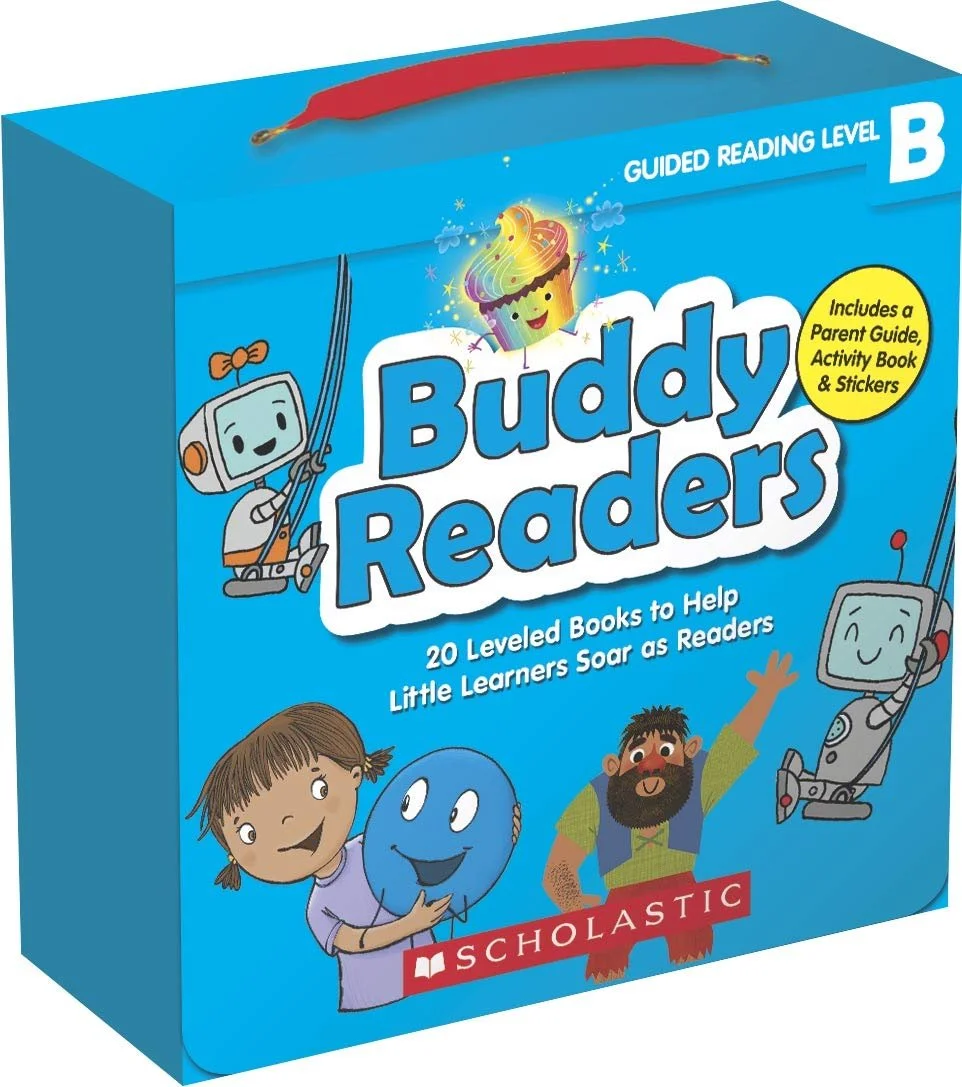
Scholastic's Buddy Readers series features recurring characters, simple text, and familiar story patterns. Following characters through different adventures can encourage children to continue reading while building confidence with familiar words and sentences.
Encouraging a Love of Reading
Reading is a skill that develops through exposure, practice, and meaningful experiences with books. Some children may enjoy listening to stories, while others become interested in recognizing words or reading independently.
I've found that one of the most important things we can do is make books available and allow children to explore them at their own pace.
The reading levels in these collections describe the complexity of the books, not a timeline that every child needs to follow.
Give children opportunities to discover what interests them. You may be surprised by where their curiosity leads!
Shop Professor Bueze's Complete Early Reading Collection on Amazon
As an Amazon Associate, I earn from qualifying purchases at no additional cost to you.
